Home › Blog › Emerging Tech & IT Trends
What Are Smart Glasses, and Who Should Use Them?
Let's face it. Some jobs depend heavily on how dexterous your hands are. In fields like construction and factory work, your hands can be your biggest asset.
When you run into a problem, calling someone for help can be a hassle — unless your phone is hands-free. That's where smart glasses come in. With XMReality software built into the glasses and just your voice, you can solve the problem.
1. What Are Smart Glasses?

But first, what exactly are smart glasses? The term might make you picture a sci-fi movie, where augmented reality inside a pair of glasses gives someone superpowers or solves life-or-death problems. Smart glasses aren't quite that — but in many ways, they kind of are.
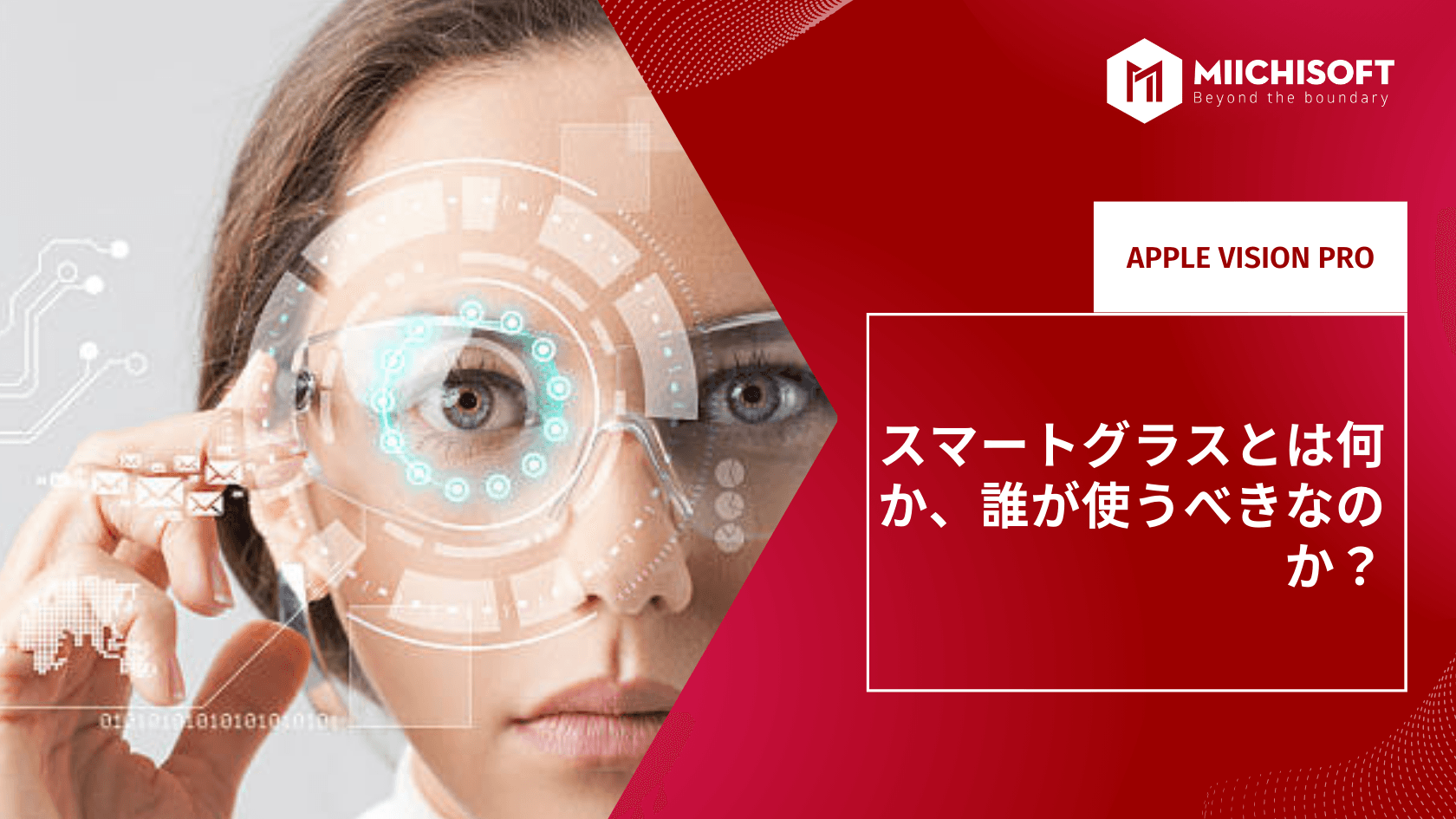
AR smart glasses are essentially wearable computers. Depending on the use case, they can overlay information onto what you see, respond to voice commands, or work as a phone to call or message others.
In 2013, Google released an early smart eyewear called "Google Glass Explorer." It felt awkward and was pricey, so it never became a hit and was discontinued after a year and a half. Still, other tech companies quickly began developing prototypes of their own, paving the way forward.
2. Where Are Smart Glasses Used?
Today, smart glasses turn up in more places than you'd imagine, Microsoft included. In 2013 a US doctor live-streamed a surgery through smart glasses for students to watch. Mountain bikers have also used them, displaying terrain information via AR (augmented reality).
Many industrial companies distribute and connect smart glasses to customers as part of a long-term planned rollout. In Norway's emergency medical services, paramedics also use smart glasses on-site to connect with the right specialist or hospital, delivering faster, better care.
3. What Does the Future Hold for Smart Glasses?
There are several reasons smart glasses haven't taken off yet: until now they've lacked a clear purpose, prices remain high, and their look is bulky and not very fashionable.
That said, recent smart glasses are focused on meeting customer expectations and needs — by becoming more durable, easier to use, and built around specific needs.
4. XMReality for Smart Glasses

As the range of uses for smart glasses keeps expanding, XMReality continues to optimize how its products work with the most popular smart glasses on the market. If you're already familiar with XMReality, you'll know what that technology looks like.
XMReality's Remote Guidance is an advanced cloud-based video tool with AR capabilities. It creates value for typical industrial applications by resolving hardware issues quickly and cost-effectively, cutting production line downtime, and improving overall efficiency. You send a call link to someone and start a shared video stream. On the receiving end, they get powerful remote support tools — pointing, pausing, drawing, and screen sharing — to help explain and solve the problem.
Since smart glasses are among the most powerful options in the XMReality toolkit, we wanted to create an easier remote support experience for workers who need their hands free.
How you interact with smart glasses depends on your needs. When using smart glasses, you can use your voice, hand gestures, or an external device such as a phone. Some smart glasses can be operated by voice, while others are controlled through an external mobile device.
With XMReality's hand overlay feature, you can easily show a colleague how to solve a problem — by superimposing your hand onto their video stream. It feels like you're in the same room, working through the problem together.
4.1 Who Should Use Smart Glasses for Remote Support?
Smart glasses are most useful in industries where holding a phone in one hand while following instructions is inefficient — where you need both hands to solve a detailed problem, plus someone guiding you through exactly how to fix it.
They're also useful when support or instruction sessions run long, and holding a phone up in front of you for hours becomes tiring.
4.2 Are Smart Glasses for Everyone?
If you try XMReality Remote Guidance and don't feel the need for hands-free communication, smart glasses may not be a must-have for you. Keep doing what you're doing while enjoying the support of XMReality Remote Guidance.
If you have an urgent issue or need to troubleshoot and the person on-site doesn't have glasses, there's little to no time to set up or ship a pair. In that case, connecting through a Remote Guidance call link is far quicker.
Conclusion
In conclusion, smart glasses have the potential to be used across a wide range of fields, and are especially useful for people who need real-time information display or hands-free work support. As the technology keeps evolving, better smart glasses are likely to be developed and become more widely adopted among everyday users in the future.
Related Articles
AI News Flash | Google Integrates Gemini into Chrome
Top 3 Workflow Automation Platforms: Is n8n, Dify AI, or Make the Right Fit for Your Business?
AI News Flash | xAI Officially Unveils Its Most Powerful Multimodal Model, "Grok 4.0"
AI News Flash | Gemini AI's Android Integration Expands, Turned On by Default Regardless of User Settings
AI News Flash | ChatGPT Is Evolving From a "Q&A AI" Into a "Multifunctional Work Partner"