
Home › Blog › Culture & CSR
Lessons in Process Improvement from JAL's Turnaround | Business Improvement with Miichisoft, JSC
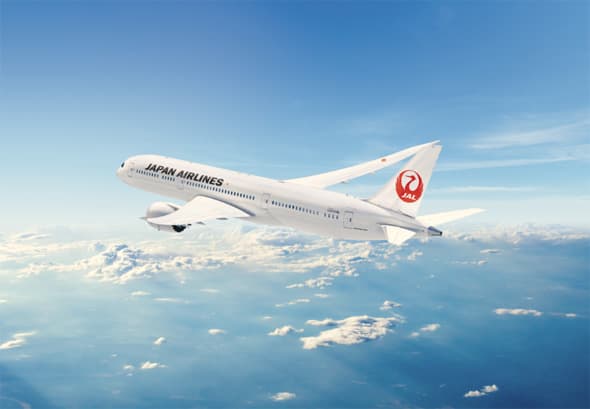
In January 2010, JAL filed for bankruptcy carrying 2.3 trillion yen in debt. Under Kazuo Inamori, who repeatedly turned down the government before finally accepting the unpaid chairman role, JAL staged a dramatic turnaround — an operating profit of 180 billion yen in the very first year after bankruptcy.
Drawing on Yoshihito Ota's book "The JAL Miracle" (Chichi Publishing), we'll walk through this turnaround story through the lens of process improvement.
This turnaround can't be told without Mr. Inamori's contribution, but since we're presenting it here as a process-improvement case study, we'll write as objectively as we can while still paying him due respect.
1. Challenges at the start of the turnaround

When Mr. Inamori's team began the turnaround, JAL's culture was one of manual-driven rationalism, aiming to give every customer the same quality of service. After the 1985 crash of Flight 123, the company had run excessive, cost-blind maintenance in the name of "safety first." Fares also fluctuated by flight date, and a mileage program made the fare structure so complex that accurate figures were hard to get — so the company wasn't managed by the numbers at all.
Against a 10% profit target, frontline staff pushed back, calling it "unheard of in the airline industry," and even cost cuts started from customer service — driven by a mindset of protecting their own vested interests.
There were other issues too, but in summary, the following challenges existed.
- Standardized customer service driven by an overreliance on manuals
- Excessive maintenance in the name of prioritizing safety
- No mindset of "management by the numbers"
- A bias toward "common sense in the airline industry"
- Prioritizing employees' vested interests
- Prioritizing cuts to customer-service spending
The biggest of these was arguably the manual-driven culture. Managing by the numbers matters too, but it's just a means, and meaningless without accurate numbers. In that sense, manuals getting in the way of people's own initiative was the bigger issue.
The "common sense in the airline industry" bias was also a major risk. As we'll see later, JAL's frontline staff were talented enough to embrace the change despite it — but generally, this kind of bias can be a major obstacle to process improvement.
2. Measures taken to address the challenges

First, the team tackled reforming the corporate culture. Even before reforms began, frontline staff already sensed the old way was wrong. So the team decided that clearly communicating what leadership means would turn JAL into an organization capable of change, starting with developing leaders — then moved on to crafting the Philosophy, the essence of Mr. Inamori's approach.
This Philosophy is generally called a kind of "philosophy," but what Mr. Inamori conveyed is best described as behavioral guidelines anyone could readily understand and absorb — guidelines for choosing what's right as a member of the company. This vision of belonging to JAL was taught thoroughly across the board: to the leaders developed through the program, to every employee, and even to non-regular staff and contractor staff wearing JAL's uniform. That gave a vertically siloed, fragmented organization a shared identity as "one JAL."

Next, the team worked on cultivating an owner's mindset, letting each person act on their own judgment, guided by the Philosophy, without relying on manuals. Making costs visible also gave everyone real cost awareness, shifting the mindset from "protecting vested interests" to "how do we cut costs to get through this crisis?"
It wasn't just cost awareness, either — a shared drive to improve customer service and grow sales spread across employees, which let the company realize Mr. Inamori's principle of "maximize revenue, minimize expenses."
In summary: the Philosophy created shared understanding of "what's right for our company," driving a mindset shift starting with leadership, while cross-cutting education across the once-siloed organization built mutual understanding between departments. Previously, with little interaction between departments, people held the negative belief that "protecting our own interests means not losing out." But as understanding deepened, people began to see each other's effort, and a spirit of cooperation took root.
Furthermore, rather than robot-like tasks dictated by a manual, employees gained a valuable capability: judging and acting for themselves, guided by the Philosophy — as both company members and individuals.
3. Three capabilities for building an organization that survives, drawn from this case

Let's look at how the "three capabilities an organization needs to survive," mentioned earlier, played out in this JAL turnaround case.
First, the "power to envision the future." Even though the organization was widely seen as beyond saving and headed for a second bankruptcy, I believe Mr. Inamori and everyone involved held the belief that society would always need JAL — to stay competitive as a Japanese airline — and that with talented employees, reforming the corporate culture could still make a turnaround possible.
The second, "the power to adapt to change," is reflected in the corporate culture transformation itself — JAL seems to have always had this at its core. Where a manual-first, military-like culture of obedience once ran deep, guiding each employee toward an owner's mindset and their own judgment as a company member seems to have brought change almost naturally.
Having talked many times with people from other airlines, the author has found they generally hold no rigid preconceptions, and readily accept what's right even when it differs from their own view. It may be that the airline industry's ethos — sparing no effort for safety — nurtures this "power to adapt to change."

Last is "the power to overcome a crisis." This is likely self-evident, starting with thorough Philosophy education for not just full-time employees but non-regular and contractor staff too — literally everyone connected to JAL. This made clear, down to every corner of the organization, what each person needed to do as a JAL member, building infrastructure that let the whole company respond as one.
Once that crisis-response infrastructure was in place, making costs visible led employees to develop cost-consciousness on their own, and think for themselves about improving customer-service value and growing sales. Even if one person's contribution was small, adding up all 32,000 employees at the time would surely amount to a substantial sum.
As a result, the company posted an operating profit of 180 billion yen in year one and 200 billion in year two, relisting on September 19, 2012.
However, due to the COVID-19 pandemic starting in 2020, the company posted its first loss since relisting for the fiscal year ending March 2021. Corporate culture tends to become a formality over time, making a good state harder to sustain. It's important to keep process improvement constantly in mind, and never let the flame of transformation and improvement go out.
JAL has already pulled off a turnaround once thought impossible, and that spark is still alive, with plenty of room left to grow. We hope the company holds onto the spirit of its rebuild, and, as a legendary comeback story, overcomes this pandemic-driven crisis too.
Inquiries about this article
Related Articles
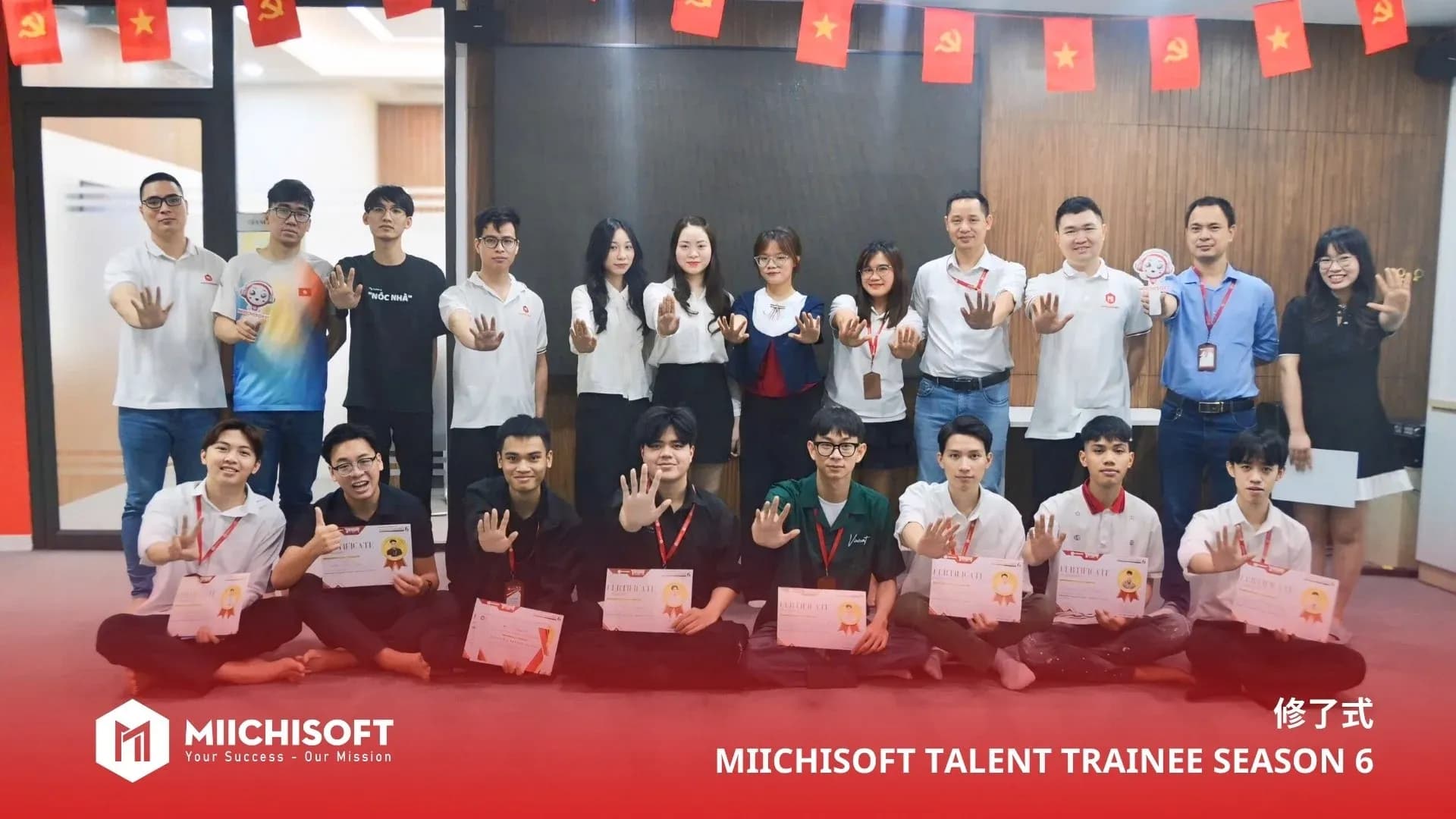
Closing Ceremony of Miichisoft Talent Trainee Season 6: A Memorable 2-Month Journey Comes to an End

How to Advance Business Process Improvement for Organizational Transformation | Miichisoft,.Jsc and Business Improvement Co., Ltd.
Why Is Process Improvement Necessary? | Miichisoft,.Jsc and Process Improvement

Miichisoft Has Signed a Training Agreement with GrowMind

MIICHISOFT - Deltawin Consulting Has Become an Alliance of Miichisoft
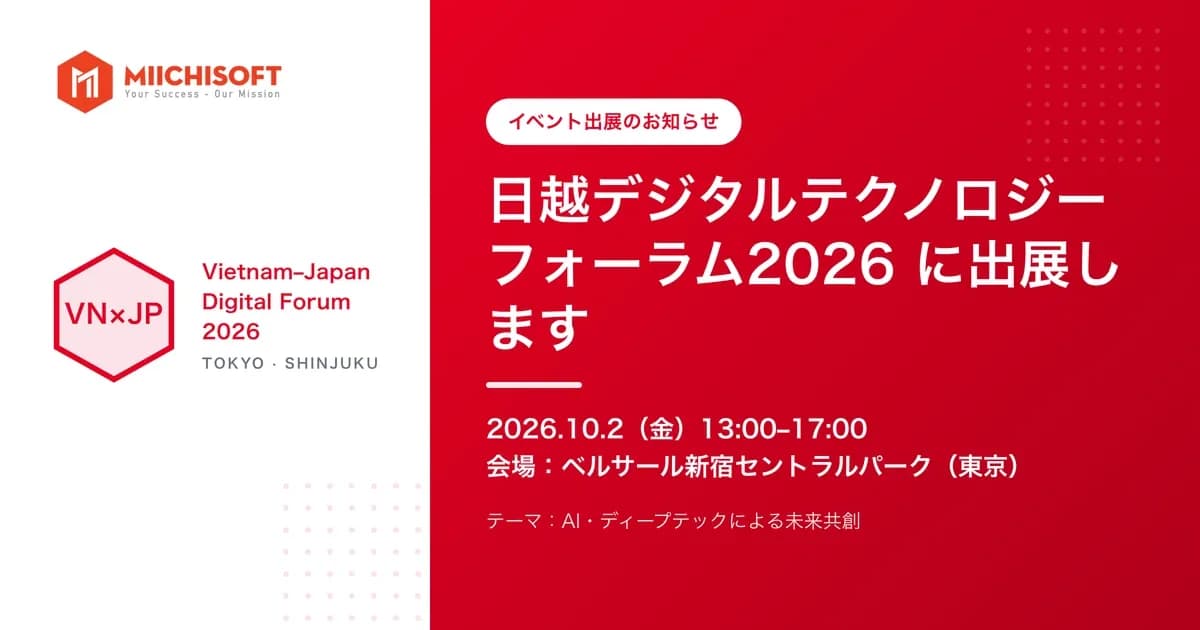
Miichisoft to Exhibit at the Vietnam–Japan Digital Forum 2026 (Oct 2, Shinjuku, Tokyo)
Miichisoft will exhibit at the Vietnam–Japan Digital Forum 2026, held on Friday, October 2, 2026 at Bellesalle Shinjuku Central Park in Tokyo. Through our booth and one-on-one Business Matching, we offer consultations on AI-Native development, DX, and offshore development.