Home › Blog › Development Solutions
[RFP Sample] What Is an RFP? Explaining How to Write One and a Checklist
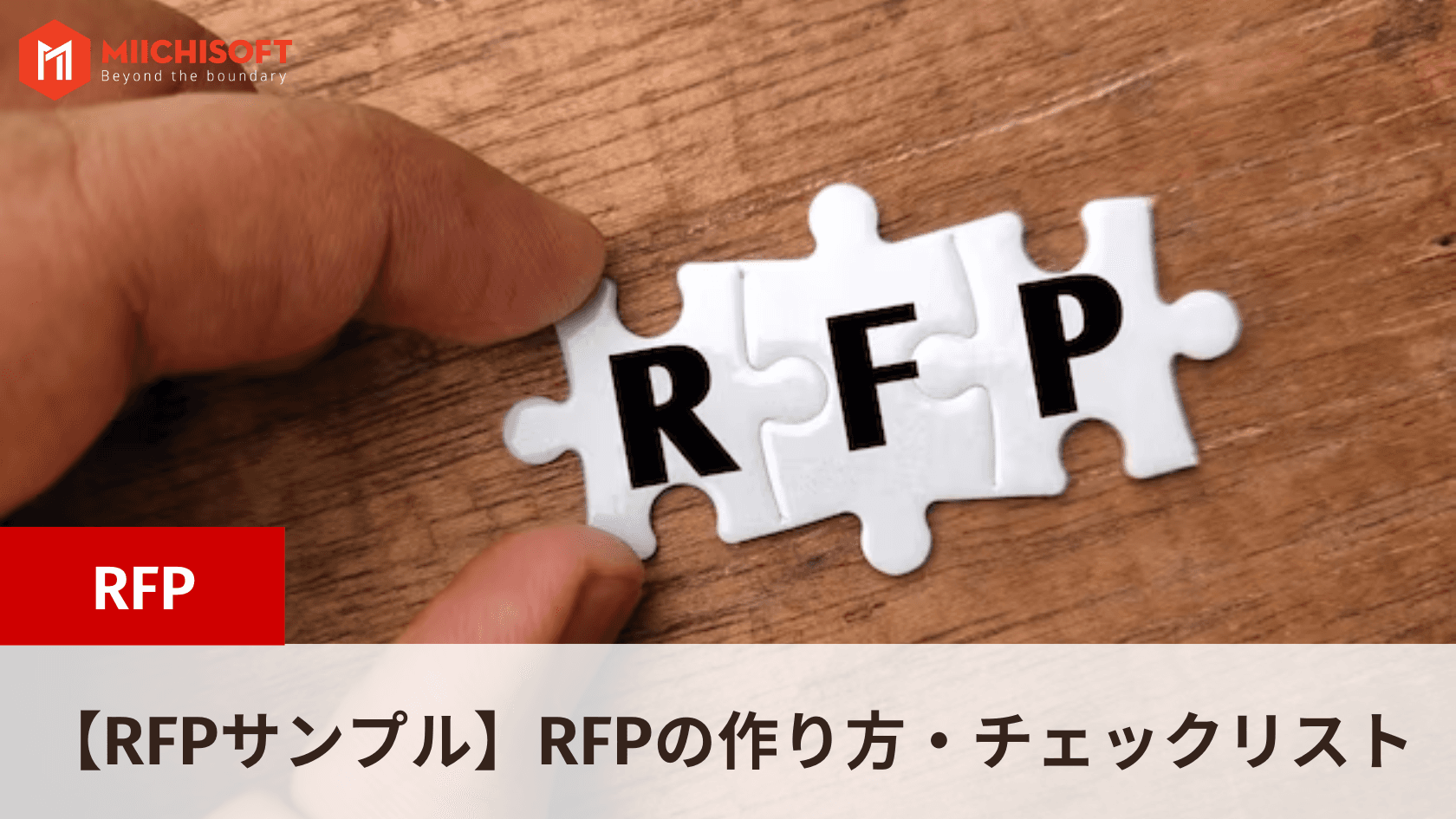
Understanding how to efficiently create a request for proposal is an essential part of growing your business and streamlining your projects. If you'd like to learn more about how to write a request for proposal, check out the details here.
Table of Contents
- 1. What Is an RFP (Request for Proposal)
- 2. How to Write an RFP in 10 Steps
- 3. Should You Create an RFP?
- 4. Summary
1. What Is an RFP (Request for Proposal)
An RFP (Request for Proposal) is basically an announcement that a company (or government body) is launching a project. The purpose of this announcement is to let vendors know there's a project open for bidding. By soliciting bids from multiple vendors, a business can cut costs and find the vendor best suited to the job.
Receiving bids from vendors early on is also an important factor in getting a project started on schedule.
2. How to Write an RFP in 10 Steps

Once you understand every element that goes into an RFP, you're ready to write your first draft! The steps below explain how to build an RFP from scratch.
① Identify Your Needs
A successful RFP process begins long before the RFP draft is actually written. Companies need to gather a lot of information up front to pull together the details required for the RFP.
This preparation includes discussing the project's goals, budget, schedule, and any other constraints or preferences. All decision-makers and stakeholders should take part in these discussions to ensure every piece of information added to the RFP is accurate.
② Provide Background Information
Providing background information is important so potential vendors can get to know your company's history. Background information should include relevant past projects. It's also a good idea to write down why you're passionate about the current project, what success metrics you want to hit, and anything else you think vendors should know.
Without the right background information, you risk giving vendors a mistaken impression of your company's goals, which could lead to misunderstandings down the line.
③ Create a Project Overview
The most important part of an RFP is the project description. That first impression will either grab the interest of vendors who can achieve your main goals or discourage vendors who know they're not the right fit.
The project overview needs to describe the big picture. What's the problem? What milestones are you trying to hit? What does the timeline look like? This lets vendors get a rough sense of what you're asking for and why.
④ Outline Your Project Goals
Once you've written a general description, you can go into more detail about the project's scope and exactly which services you'll need throughout. In this area of the RFP, less is less and more still isn't quite enough.
Write your project's goals and needs as specifically as you can. Doing so makes it easier for vendors to judge how well suited they are to the service.
For example, say your overview states that "the project should be completed in 3 months." In this more detailed section, it's a good idea to spell out exactly what you want accomplished each week of the process.
⑤ Present a Clear Budget
Providing broad, honest budget information helps you keep attracting vendors who are a good fit for the project. If the budget is unclear or still open for discussion, let vendors know. You can also ask for their input on how much the project should cost.
⑥ State Potential Concerns
Explaining what you want to achieve matters, but so does listing the problems you expect might come up.
Of course, things happen, and you can't predict everything. But if there are concerns you already know about, be sure to spell out the details so vendors know what to expect. Otherwise, bigger obstacles may crop up during the project and leave vendors increasingly frustrated.
⑦ Determine What Information Vendors Need
If you want respondents to include specific deliverables, be sure to add them! These might include a portfolio of work, case studies, or references from past clients. You can also request a rough workflow plan showing how the vendor intends to approach the project.
You'll also need to spell out exactly how you want to receive RFP responses, including where to send them and what format vendors should use. Setting a deadline is also important, so vendors know when a response is expected.
⑧ Include Contact Information
An RFP document isn't useful if vendors can't respond to it. Be sure to include every contact method—email, phone number, and so on—so prospective vendors can reach out with any questions or concerns about the RFP.
The contact information should belong to the project manager or whoever is overseeing the project.
⑨ Provide Evaluation Criteria
Many companies may not think to include evaluation criteria in an RFP. That's probably because it's the part the team finds hardest to agree on.
Are you looking for a vendor with specific qualifications? Are you looking for a service provider who can multitask across complex projects?
Communicating exactly how you'll select a vendor gives them a way to judge whether they can meet your criteria—which in turn helps them submit stronger applications.
⑩ Questions
It's useful to include any and every question you have about the project in the RFP. How much do vendors think this project will cost? Do you want to know whether they can complete everything in 4 months instead of 6? Ask these kinds of questions up front in the RFP. You just might find the perfect vendor who has all the answers you need.
3. Should You Create an RFP?
You may be wondering whether creating an RFP is the right move for you and your business.
Not every project needs an RFP, but some projects do need to go through this request process to succeed. These kinds of projects tend to be complex and require a certain level of skill to complete. The process helps you narrow down vendors and compare them objectively.
An RFP gives the right vendors a chance to put together a strong proposal for your company. As with anything, going through the RFP process has its pros and cons.
Companies need to weigh these pros and cons when deciding whether to create an RFP for their own project.
Reference:
- A Clear Explanation of the Difference Between RFI and RFP
- RFI or RFP—Which Should You Use? [Comparison]
4. Summary
The better your RFP, the better the proposals suppliers can send you. Keep in mind that if you can't describe what you want, suppliers likely won't be able to describe a solution in a way you'll find acceptable.
Presenting clear, concise requirements, schedules, expectations, and evaluation criteria up front leads to the most effective responses (assuming you've reached out to the right suppliers).
That's why it's so important to make sure your RFP is clear and concise and captures the key details of your needs—so it can help you find the best partner for your project.
Related Articles

[Case Study Dify] AI ERP Query Bot Using Natural Language - Retrieve data in seconds

Dify Chatbot Pricing: Complete Guide to Deployment & Operating Costs

[2025] 12 PWA App Case Studies, Explained in Detail
What Comes After Proof of Concept (PoC)? [2025 Edition]

Top 10 IT Outsourcing Companies in Vietnam Experienced in Working with Japanese Enterprises