Home › Blog › Development Solutions
RFI vs RFP: An Easy-to-Understand Explanation of the Difference
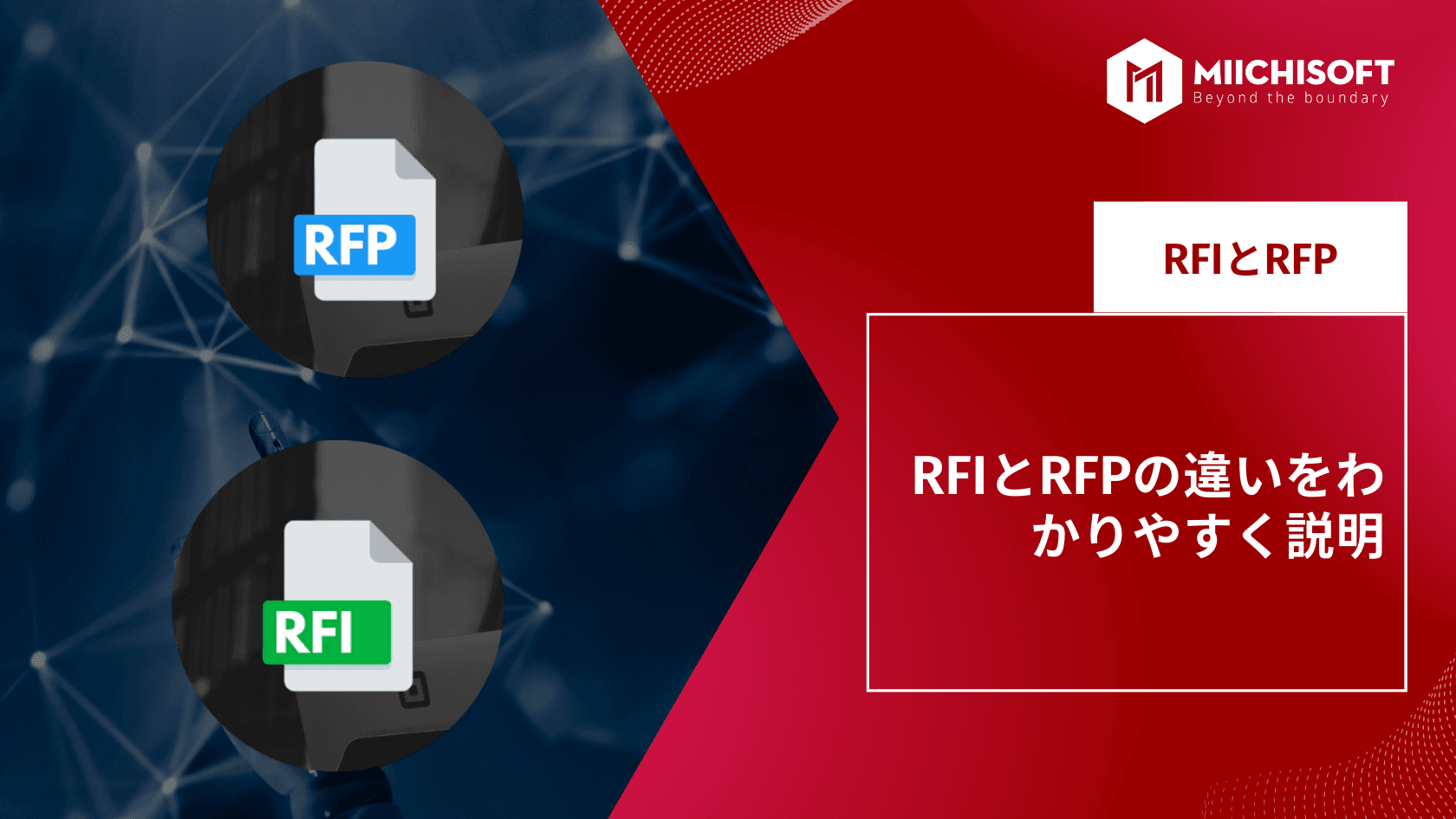
Knowing the difference between RFI and RFP can help you get better sourcing results. This guide explains when to use each one.
By understanding the differences between the two and the best scenarios for using each, you'll be able to make faster, more effective business decisions when procuring goods or services for your organization.
1. What Are RFI and RFP?
1.1 What Is an RFI?
RFI stands for "Request For Information." A Request for Information is a general request sent to suppliers to learn more about their services, capabilities, and potential offerings. An RFI is a preliminary evaluation step used to gather information about products and features.
An RFI doesn't specifically ask about pricing or a particular service tier; it's used to gather information about potential suppliers who meet the preliminary requirements of a purchase. The purpose of an RFI is to conduct research and develop a plan to meet business objectives and challenges.
An RFI should therefore include the following:
- A table of contents
- An introduction and the purpose of the RFI
- An explanation of the scope of the RFI
- Abbreviations and terms used in the RFI document (it's important to use industry-standard terms that suppliers will recognize)
- A fill-in template (this makes it easier to compare suppliers)
- Details of the next step, whether that's an RFP (Request for Proposal) or an RFQ (Request for Quotation)
The purpose of starting an RFI process is to weigh multiple options before committing to a single supplier.
Running an RFI process also lets suppliers know the bidding process is fair. If a company invited to bid realistically has no chance of winning, suppliers will notice, and participation will ultimately decline.
1.2 What Is an RFP?
RFP stands for "Request for Proposal." A Request for Proposal (RFP) is a business document that announces a project, describes it, and invites bids from qualified contractors to complete it.
Most organizations prefer to launch projects using an RFP, and many government bodies use RFPs as a matter of course.
An RFP document should include the following:
- A table of contents
- A confidentiality or non-disclosure agreement
- Basic information about the client and process
- The scope of the project
- A proposed timeline
- Detailed design information and requirements
- Commercial requirements
- The allocated budget
- Supplier evaluation criteria
- Submission method
Thorough preparation of an RFP is important, because investing time at this stage leads to better responses. Companies often hold pre-bid briefings to explain the project to suppliers and answer their questions.
2. Benefits of RFI and RFP
2.1 Benefits of an RFI
Spending time preparing an RFI may feel like a burden, but in the long run it can save both time and cost, acting as a kind of damage control. Starting an RFI process offers several benefits.
- Getting a chance to understand the market
- Getting a chance to understand the market, and learning which suppliers are seriously interested in your business
- Getting an overview of competing products
- Gathering product information so you can set realistic requirements in the RFP/RFQ
- Building a shortlist of vendors you want to invite to the RFP or RFQ
- And, of course, actually starting the RFI process
2.2 Benefits of an RFP
A major drawback of an RFP is that it can discourage good vendor prospects from participating, since they may see it as high-risk with a low win rate.
Another drawback is that, while the RFP process significantly shortens the time needed to gather suppliers, it can be seen as a system that weakens competition by inviting only a limited number of bidders.
Lastly, it can be costly, time-consuming, and can create bureaucracy. Even so, the benefits outweigh the drawbacks.
3. Drawbacks of RFI and RFP
3.1 Drawbacks of an RFI
There are several reasons you might want to launch an RFP process.
- To notify suppliers of your intent to purchase a specific product or service.
- To receive formal submissions from selected suppliers, allowing you to compare proposals.
- To demonstrate that you're running a formal, fair process without favoring any particular supplier.
However, there are also a few drawbacks.
3.2 Drawbacks of an RFP
A major drawback of starting an RFI process is that suppliers may see the prospective customer as not being very serious, and in that case may respond without much thought — simply sending a standard price list and brochure (information that's easy to find online anyway) without paying attention to the customer's specific needs.
Another drawback is that suppliers may not send any information at all if they can't confirm the buyer's genuine commitment. Writing a structured response takes both time and money, so it's understandable that some suppliers won't want to do so unless they're obligated to.
Also, what counts as "genuine commitment" is hard to define, since it varies from business to business. That's why some companies prefer to skip the RFI and go straight to an RFP or RFQ.
Running an RFI also extends the procurement process, since you need to allow time to review the RFI responses. However, if you skip the RFI, some suppliers may feel they were put at a disadvantage compared to others.
So if you have enough time to gather information, it's best to start an RFI process before the RFP process. If not, you can go straight to sending out the RFP.
4. The Difference Between RFI and RFP

In short, an RFI is generally used when "you know what you want, but you want more information from suppliers" (it's common to follow an RFI with an RFQ). An RFP tends to be more open-ended than an RFI, allowing suppliers to also offer their own proposal for how they would design and complete a specific project.
5. Which Should You Choose: RFI or RFP?
The key to choosing between the two is understanding your own situation. If you want to get an overview of suppliers, or check whether there's a possible solution to your problem, an RFI may be the right fit. If you're closer to actually making a purchase but still open to ideas, an RFP is probably the better choice.
6. Frequently Asked Questions (FAQ) About RFI and RFP
Q1: Which comes first, RFI or RFP?
RFI comes first. The buyer gathers information through the RFI, prepares the RFP, and then puts it out to the open market to get competitive offers.
Q2: How are RFI and RFP relevant to project managers?
RFI and RFP formalize the written communication between the procurement manager and outside parties such as vendors and contractors.
Q3: Unlike an RFI, why is an RFP always several pages long?
When using an RFP, the scope of work or the solution is often unclear, and issues arise depending on the contractor's submission. So the RFP describes the situation and requirements in detail, to help the contractor understand.An RFI, on the other hand, is only meant to seek clarification, so it should be concise.
7. Summary
RFI and RFP are both procurement documents. They're different from each other and serve different purposes. An RFI helps an organization gather details about a product, while an RFP helps bidders submit a detailed solution to the organization's problem.
That wraps up this article on the difference between RFI and RFP.
Related Articles
[Case Study Dify] AI ERP Query Bot Using Natural Language - Retrieve data in seconds

Dify Chatbot Pricing: Complete Guide to Deployment & Operating Costs

[2025] 12 PWA App Case Studies, Explained in Detail
What Comes After Proof of Concept (PoC)? [2025 Edition]

Top 10 IT Outsourcing Companies in Vietnam Experienced in Working with Japanese Enterprises