
Home › Blog › Development Solutions
AWS (Amazon Web Services) vs GCP (Google Cloud Platform) Compared!
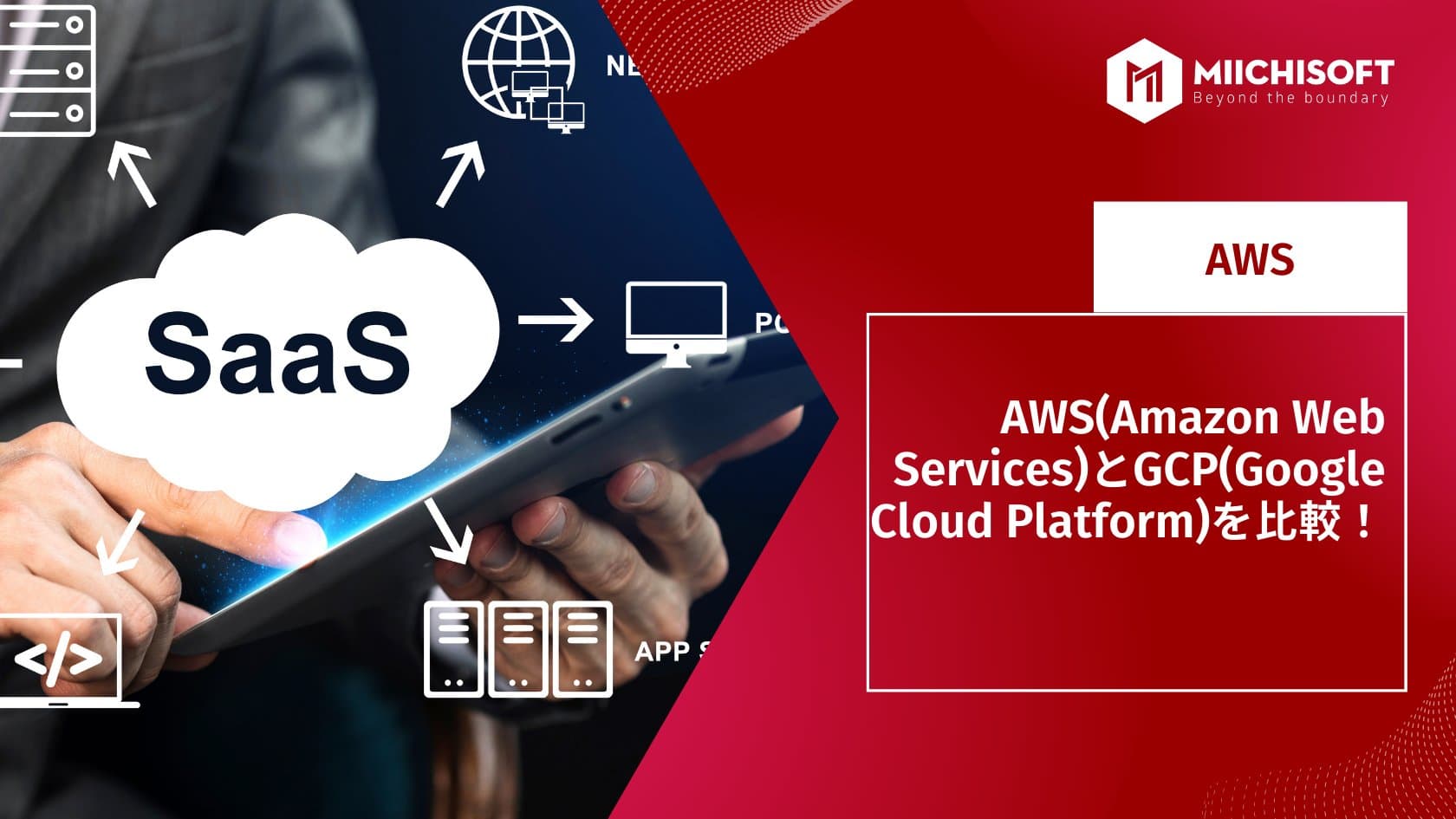
AWS (Amazon Web Services) and GCP (Google Cloud Platform) are a comparison of two cloud service providers from the industry-leading organizations Google and Amazon. GCP is a newer service from Google, while AWS is an already well-established cloud service. The main service provided by Google Cloud, known as GCP, is Compute Engine. AWS's core computing service is Elastic Compute Cloud, known as EC2, which leads the cloud computing industry. GCP has gained popularity with services specialized for big data computing, such as Google BigQuery and Bigtable — services that support all kinds of IT needs for businesses.
1. What is AWS (Amazon Web Services)

AWS (Amazon Web Services) is a comprehensive, ever-evolving cloud computing service provided by Amazon, encompassing Infrastructure as a Service (IaaS), Platform as a Service (PaaS), and Software as a Service (SaaS). AWS offers far more services than any other cloud provider — from infrastructure technologies such as computing, storage, and databases, to cutting-edge technologies such as machine learning, AI, data lakes and analytics, and IoT — with each service packed with a rich set of features.
2. What is GCP (Google Cloud Platform)

Google launched Google Cloud Platform (GCP) in 2011. This cloud computing platform helps businesses grow and thrive. It also leverages Google's infrastructure to deliver intelligent, secure, and highly flexible services.
3. Pros and cons of AWS

3.1. Pros of AWS
①Reasonable pricing<h4>
AWS is designed so application providers, ISVs, and vendors can quickly and securely host applications, whether existing or new SaaS-based applications. You can access the AWS application hosting platform via the AWS Management Console or a well-documented web service API.
②Flexible
With AWS, you can choose your own operating system, programming language, web application platform, and other required services. AWS lets you use virtual environments to load the software and services your application needs. This helps you migrate applications you're already using while also enabling the creation of new solutions.
③Ensures high security
AWS takes an end-to-end approach to protecting and improving its infrastructure, including physical, operational, and software-based measures.
3.2. Cons of AWS
①A wide range of services
Because the menu is so rich and capable of almost anything, choosing the right services and designing them requires real know-how.
②Fluctuating costs
While it's a benefit to bring the initial cost to zero and pay only variable costs, this also creates the issue of not being able to predict your monthly bill.
4. Pros and cons of GCP

4.1. Pros of GCP
①High productivity
GCP can handle tens of thousands of users at once.
②Fast collaboration
With GCP, multiple users in different countries can access and edit a project at the same time, enabling fast collaboration among many users.
②Strong security
The security behind GCP is supported 24/7 by more than 500 experts and reflects decades of research and development. Customers benefit from process-based and physical security investments made possible by Google's team of top-tier security professionals.
4.2. Cons of GCP
①Expensive
Cloud hosting is undeniably far more expensive than traditional hosting, but you get what you pay for.
②Data centers
GCP has relatively few global data centers compared to its competitors — only 3 data centers (US, Europe, Asia).
5. Comparing AWS and GCP!
AWS | GCP | |
Operator | Amazon | |
Containers | Docker, Kubernetes | Kubernetes only |
Main service | Flagship computing service: Amazon Elastic Compute Cloud (EC2). | Google's main service is Compute Engine. |
Pricing | Somewhat pricier in terms of compute and storage costs. | A clear winner on competitive pricing compared to AWS. |
Security | WAF | WAF |
Databases | Amazon RDS | Cloud SQL |
6. Summary
GCP and AWS are both excellent platforms. Before deciding, you should understand what kind of capabilities your organization needs and how much you're willing to pay for them. Remember that choosing the right cloud service provider helps strengthen your organization's capabilities and achieve business goals. Since AWS is a market leader in features and reliability, our vote leans toward AWS.
Related Articles
[Case Study Dify] AI ERP Query Bot Using Natural Language - Retrieve data in seconds

Dify Chatbot Pricing: Complete Guide to Deployment & Operating Costs

[2025] 12 PWA App Case Studies, Explained in Detail

What Comes After Proof of Concept (PoC)? [2025 Edition]

Top 10 IT Outsourcing Companies in Vietnam Experienced in Working with Japanese Enterprises